

Creating the Ultimate Flight Emergency Response Checklist

In aviation, emergencies require fast, precise action. Every second matters. That’s why a well-designed flight emergency response checklist is not just helpful — it’s essential.
Over the years, I’ve seen how a clear, concise checklist can turn chaos into control. It guides pilots and crew through critical moments, reduces stress, and leads to better outcomes.
Who Creates the Checklists?
Aircraft system checklists are usually developed by the aircraft manufacturer (OEM) or the component manufacturer. These companies are the experts on how the system is built and how it’s expected to perform in all situations.
However, their technical procedures are only part of the story. How the checklist is actually used in real-world operations also plays a major role in its effectiveness.
Why Operator-Specific Checklists Matter
Let’s take a faulty pressurization controller as an example:
The manufacturer (OEM) will provide technical steps to test the controller and try to restore normal pressurization.
If those steps fail and the cabin altitude cannot be maintained, the standard procedure is to descend to a safe altitude.
At that point, the crew must move on to another checklist, depending on many operational factors (such as altitude, terrain, weather, fuel, and destination).
This is where an operator-specific checklist becomes critical. Only the airline or operator knows the exact details of their aircraft, routes, and procedures. They can tailor the checklist to fit their unique operation.
Different Equipment = Different Procedures
The type of equipment on board also affects the checklist. For example:
If your aircraft uses Chemical Oxygen Generators (COGs), which only provide oxygen for about 18 minutes, the checklist must be built around that strict time limit.
If your aircraft uses a gaseous oxygen system, the crew has more time and flexibility, so the checklist can offer additional options.
Ending the Checklist
A checklist should clearly state when it is complete. It ends when the emergency or abnormal situation has been successfully resolved — or when the flight itself has ended (landing or termination).
The worst thing in any emergency is to not have any plan. To be cognitively stalled with no direction when seconds count.
Why a Flight Emergency Response Checklist Matters
Emergencies in flight are unpredictable. Mechanical failures, sudden weather changes, or medical crises can arise without warning. A checklist acts as a pilot’s best ally, providing a step-by-step guide to manage these situations effectively. It minimizes human error by breaking down complex procedures into manageable tasks.
Consider a scenario where an engine fails mid-flight. Without a checklist, the pilot might forget a crucial step or hesitate. With a checklist, every action is clear: identify the problem, communicate with air traffic control, adjust flight parameters, and prepare for possible landing. This structure saves lives.
Moreover, a checklist supports teamwork. When everyone knows their role and the sequence of actions, coordination improves. This is vital for airlines and safety directors who oversee multiple flights and crews. A standardized checklist ensures consistency across the board.

Building Your Flight Emergency Response Checklist
Creating an effective checklist requires careful planning and attention to detail. Here’s a step-by-step approach to help you build one that works in real-world conditions:
1. Identify Common Emergency Scenarios
Start by listing the most frequent emergencies your operation might face. These could include:
Engine failure
Electrical system malfunction
Cabin depressurization
Fire or smoke onboard
Medical emergencies
Severe weather encounters
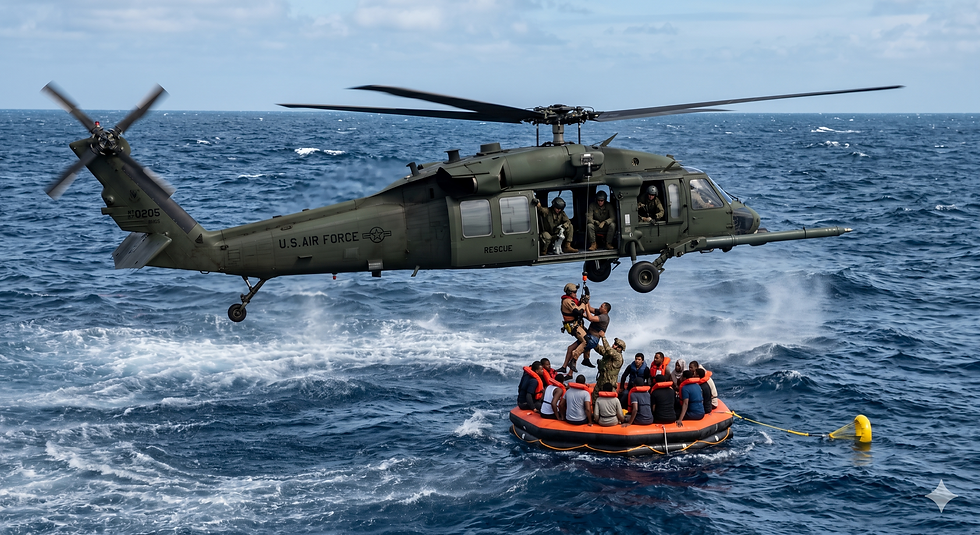
Off airport/waterlanding (ditching).
Each scenario demands specific actions. Group them logically to avoid confusion during high-pressure moments. Also keep in mind that one failure can lead to another further compounding a solution.
2. Prioritize Actions by Urgency
Not all steps carry equal weight. Prioritize actions that ensure immediate safety first, such as controlling the aircraft and securing the cabin. Secondary steps, like notifying ground control or preparing passengers, come next.
3. Use Clear, Concise Language
Your checklist should be easy to read and understand at a glance. Use short sentences and active verbs. Avoid jargon or overly technical terms that might slow down comprehension.
4. Incorporate Visual Aids
Where possible, add simple diagrams or icons to highlight critical steps. Visual cues can speed up recognition and reduce errors. This is very important.
5. Test and Revise Regularly
A checklist is a living document. Conduct regular drills and simulations to test its effectiveness. Gather feedback from pilots and crew, then update the checklist to address any gaps or ambiguities. This is extremely important when flying new aircraft after years of flying a different type. Old habits are hard to change and this becomes a risk that must be mitigated.
Essential Components of a Flight Emergency Response Checklist
A comprehensive checklist covers several key areas. Here’s what I recommend including:
Immediate Actions
Maintain aircraft control
Assess the situation quickly
Declare an emergency to air traffic control
Activate emergency systems (fire suppression, oxygen masks)
Communication Protocols
Inform the cabin crew and passengers
Coordinate with ground emergency services
Update airline operations center
Safety Procedures
Prepare for possible evacuation
Secure loose items and passengers
Monitor aircraft systems continuously
Post-Emergency Steps
Document the incident thoroughly
Conduct debriefings with crew and safety officers
Review and analyze the event to improve future responses

Integrating Technology and Training
Modern aviation benefits greatly from technology integration. Digital checklists, iPad apps, tablets or cockpit displays can enhance accessibility and reduce errors. These tools often include interactive features, such as automatic step tracking and alerts.
However, technology alone is not enough. Training remains paramount. Regular simulator sessions that incorporate your flight emergency response checklist help build muscle memory. Pilots and crew become familiar with the checklist’s flow, making it second nature during real emergencies.
Additionally, training should emphasize stress management. High-pressure situations can impair decision-making. Teaching techniques to stay calm and focused complements the checklist’s role perfectly.
The Role of Safety Directors and Airlines
Safety directors and airline management play a vital role in the successful implementation of emergency checklists. Their responsibilities include:
Standardizing checklists across the entire fleet
Keeping them up to date with the latest regulatory requirements and operational lessons learned
This task can be particularly challenging because different aircraft types often have different systems and procedures. A checklist item that works perfectly on one aircraft may conflict with procedures on another, potentially causing confusion during high-stress emergency situations.
Beyond standardization, safety leaders must foster a strong safety culture where checklists are respected and used consistently. This involves:
Encouraging open communication about how well checklists are working
Supporting continuous improvement based on real-world experience
When pilots discover a conflict or problem with a checklist, it should be openly discussed among the pilot group. Any recommended changes should then be reviewed by the aircraft manufacturer (OEM) to ensure they remain safe and compatible with the system’s design.
Partnering for Better Solutions
Airlines can significantly improve their emergency response by partnering with specialized organizations, such as Aeronautical Data Systems. These partnerships provide access to modern tools and training programs specifically designed to reduce pilot workload and stress while improving the effectiveness of emergency procedures.
Making Checklists Practical and Universal
The ultimate goal of a good checklist is to create standardized, easy-to-follow steps that work reliably across different aircraft types.
A clear example is the aircraft oxygen system. Different systems display oxygen quantity in different ways — some show liters remaining, others show a percentage, and some show pressure in PSI. None of these formats are particularly helpful to a pilot in an emergency.
What pilots really need to know is how much time they have left — so they can compare it directly to the time remaining on their fuel.
Modern tools, such as the iPad app ergo360, solve this problem by converting all oxygen system data into a single, easy-to-understand format: time remaining. The app then calculates the distance to go and displays the information clearly on a real-time geospatial map.
Solutions like this are SMS (Safety Management System) compliant and provide one simple, consistent answer that works across all oxygen systems — giving pilots the critical information they need when it matters most.
Moving Forward with Confidence
Creating the ultimate flight emergency response checklist is a dynamic process. It requires collaboration, testing, and refinement. But the payoff is immense: safer flights, more confident crews, and better outcomes when emergencies arise.
Remember, the checklist is more than a piece of paper or a digital file. It is a lifeline in the sky. Treat it with the seriousness it deserves, and you will empower your team to handle emergencies with skill and assurance.
By investing time and effort into your flight emergency response checklist, you are investing in safety and professionalism. The skies are unpredictable, but your preparedness can make all the difference.


Comments